
The intersection of Science and medicine has always been about understanding how external substances interact with the human body. In recent years, one of the most debated topics in public health has been the rise of electronic nicotine delivery systems (ENDS). From the early iterations of cig-a-likes to the modern popularity of high-capacity disposables like fifty bars, the technology has evolved faster than the long-term clinical research. For those seeking a fifty bar vape near me, it is important to look beyond the flavor profiles and focus on what the current medical data says about inhalation, chemistry, and systemic health.
The Chemistry of Vaporization
At its core, vaping is a mechanical process. Unlike traditional cigarettes that rely on combustion (burning tobacco to create smoke), e-cigarettes use a heating element to aerosolize a liquid solution. This solution typically consists of vegetable glycerin (VG), propylene glycol (PG), nicotine, and food-grade flavorings.
From a medical perspective, the "aerosol" produced is not just "water vapor." When the heating coil reaches specific temperatures, the chemical composition of the liquid can change. Science shows that:
Thermal Degradation: High heat can cause PG and VG to break down into formaldehyde and acetaldehyde, though levels vary significantly based on the device's wattage.
Nicotine Salts: Modern devices often use nicotine salts rather than freebase nicotine. This allows for higher concentrations to be inhaled with less throat irritation, which changes how the brain’s reward system processes the hit.
Metal Leaching: Some studies have identified trace amounts of heavy metals, such as nickel and chromium, which can leach from the heating coils into the aerosol during use.
Understanding these chemical reactions is the first step in viewing vaping through the lens of science rather than just a lifestyle habit.
Respiratory Health and Physiological Responses
The lungs are designed for the exchange of oxygen and carbon dioxide. When any foreign substance is introduced, the immune system responds. Medical professionals monitor several key areas when studying the effects of vaping on the respiratory system.
Inflammation and Cilia Function
The bronchioles in our lungs are lined with tiny hair-like structures called cilia. These move in waves to clear mucus and dirt. Science suggests that certain flavoring chemicals—specifically those used to create buttery or creamy profiles—can impair cilia motility. This makes it harder for the lungs to clear out pathogens, potentially increasing the risk of respiratory infections.
Cardiovascular Pressure
Nicotine is a stimulant. Within seconds of inhalation, it triggers the release of adrenaline, which increases heart rate and blood pressure. While this effect is well-documented in traditional smoking, the rapid delivery system of modern vapes means the cardiovascular system experiences these spikes frequently throughout the day. For individuals with underlying heart conditions, this constant "fight or flight" state is a primary concern for medical researchers.
The "Harm Reduction" Debate
In the world of medicine, there is a concept known as harm reduction. This is the idea that if a person cannot quit a dangerous habit entirely, switching to a less harmful alternative is a net positive. Many health organizations, particularly in the UK, acknowledge that vaping is significantly less harmful than combustible tobacco because it lacks the tar and carbon monoxide produced by burning leaves. However, "less harmful" does not mean "safe," and the scientific community remains cautious about the effects of 20 or 30 years of continuous use.
Behavioral Science and Nicotine Dependence
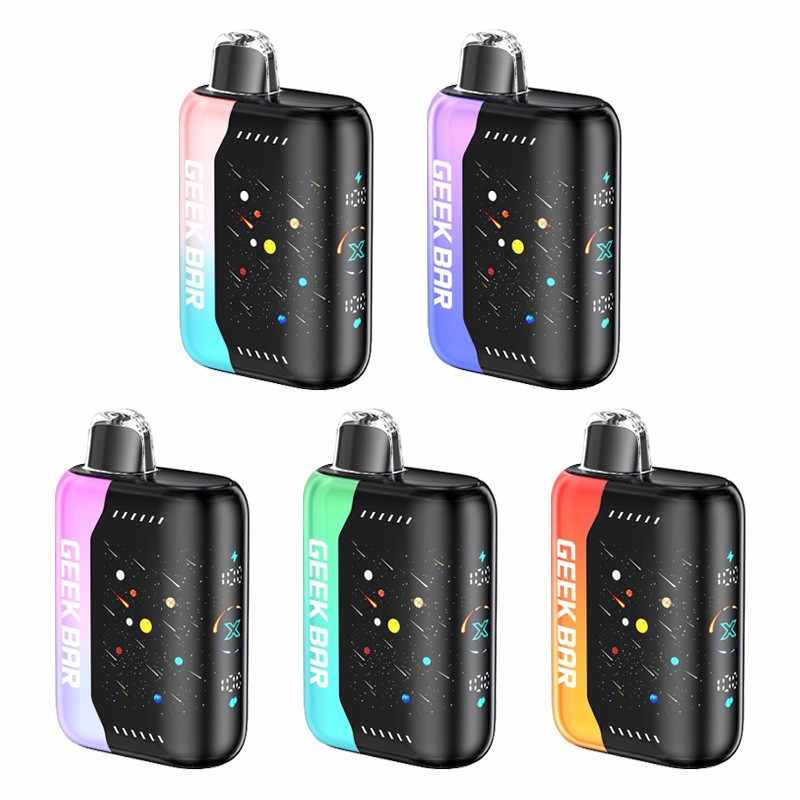
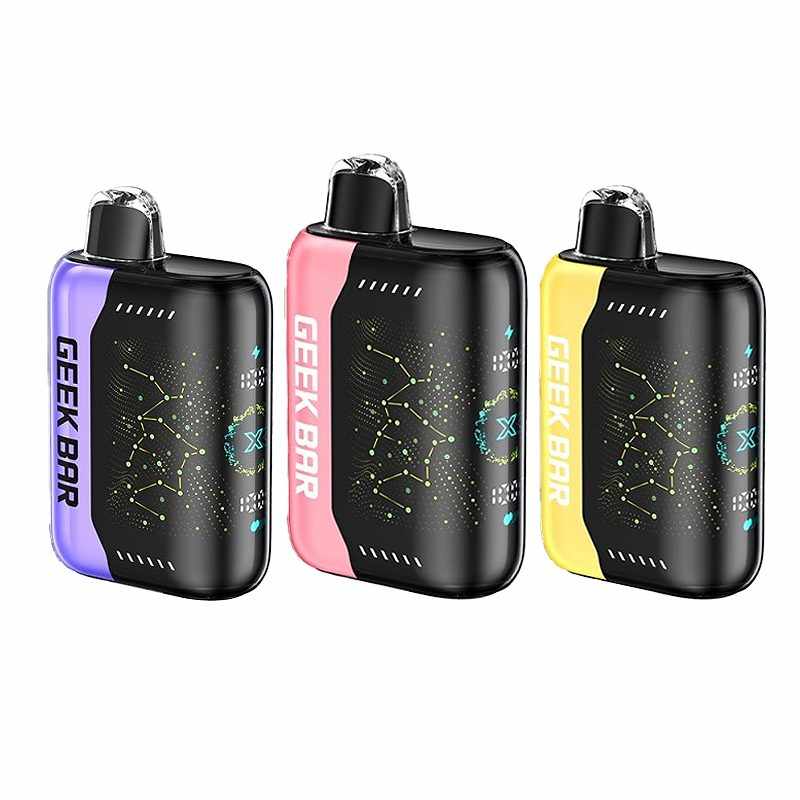
Vaping isn't just a biological issue; it’s a psychological one. The design of modern devices focuses on ease of use. For instance, the fifty bars brand has gained traction because of its consistent output and user-friendly interface. When a product is easy to use and readily available—often found by searching for a fifty bar vape near me—the frequency of use tends to increase.
Behavioral science indicates that the ritual of vaping is often more integrated into a person’s life than smoking ever was. Because there is no lingering smell or ash, users often vape in situations where they would never have smoked, such as in their homes or cars. This leads to:
Increased Frequency: Users may take "micro-puffs" throughout the entire day, leading to a steady stream of nicotine in the bloodstream rather than the peaks and valleys associated with smoking a cigarette.
Neuroplasticity: In younger users, the brain is still developing. High doses of nicotine can alter the formation of neural pathways related to attention, learning, and impulse control.
Dual Use: A significant portion of the population uses both vapes and cigarettes. From a medical standpoint, this "dual use" often negates the harm-reduction benefits, as the user is still exposed to the carcinogens in smoke while also increasing their total nicotine intake.
The Future of Regulation and Research
The landscape of Science and medicine is constantly shifting as new data emerges. Regulatory bodies like the FDA are currently in a "catch-up" phase, trying to balance the needs of adult smokers who want to quit with the necessity of protecting non-smokers from starting a new habit.
Future research is currently focused on:
Long-term Longitudinal Studies: Tracking a cohort of exclusive vapers over decades to see the cumulative impact on lung elasticity and heart health.
Toxicology of Flavorings: Moving beyond "generally recognized as safe" (GRAS) standards, which were intended for ingestion (eating), and establishing new standards for inhalation.
Cessation Efficacy: Determining if vapes are actually more effective than nicotine patches or gum for long-term smoking cessation.
While the technology behind products like fifty bars continues to improve in terms of battery life and delivery, the medical advice remains consistent: the best thing you can breathe is clean air. If you are using these products as a bridge away from tobacco, you are participating in a massive real-world experiment in harm reduction. If you are looking for a fifty bar vape near me to start a habit for the first time, it is worth considering the physiological cost that science is only beginning to fully map out. As we move forward, the collaboration between chemists, doctors, and behavioral therapists will be essential in navigating this complex public health challenge.
















Write a comment ...